
The Kotel Deal Timeline (2013–2026)
Background: The Struggle Over Pluralism at the Western Wall
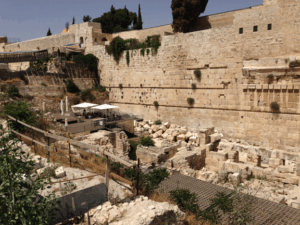
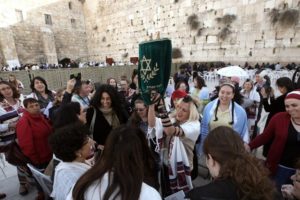
The “Kotel Deal” refers to the negotiated compromise intended to create a permanent, state-recognized pluralistic prayer space at the southern end of the Western Wall (Robinson’s Arch), alongside the traditional Orthodox-run plaza. It became one of the most consequential flashpoints in Israel–Diaspora relations in the 21st century.
2013 – Renewed Momentum for Change
- After years of advocacy by Women of the Wall, Israel’s government begins exploring a formal arrangement.
- Natan Sharansky, then chair of the Jewish Agency for Israel, proposes a unified entrance and equal recognition framework for a pluralistic space.
January 31, 2016 – The Kotel Compromise Approved
- The Israeli government formally approves a landmark compromise.
- Key elements:
- Creation of an expanded, dignified pluralistic prayer plaza at Robinson’s Arch.
- A single, shared entrance to symbolize equal status.
- Governance by a council including Reform and Conservative representatives.
- Celebrated by the Union for Reform Judaism, the Israel Movement for Reform and Progressive Judaism, Women of the Wall, and global Jewish leaders as a breakthrough moment.
2016–2017 – Haredi Political Backlash
- Ultra-Orthodox parties (Shas and United Torah Judaism) face mounting pressure from rabbinic leadership.
- Implementation stalls.
- Political tensions rise within Prime Minister Netanyahu’s coalition.
June 25, 2017 – The Deal Is Frozen
- The government votes to “suspend” implementation.
- On the same day, it advances legislation tightening the Orthodox Rabbinate’s control over conversions.
- Widespread Diaspora outrage; many describe this as a rupture in Israel–Diaspora trust.
- Reform and Conservative movements suspend formal engagement with the government over religious pluralism issues.
2018–2019 – Legal and Political Pressure
- Petitions filed with Israel’s High Court demanding implementation.
- The pluralistic platform remains temporary and physically inferior to the main plaza.
- The issue becomes symbolic of broader concerns about democracy and Jewish peoplehood.
2020–2022 – Political Instability and Shifting Coalitions
- Multiple Israeli elections.
- The short-lived Bennett–Lapid government signals openness to pluralism but does not fully revive the deal.
- The core framework remains frozen.
2023 – Judicial Overhaul Crisis
- National focus shifts to the proposed judicial overhaul.
- The pluralism question becomes intertwined with larger debates about religion and state.
- The Kotel compromise is not revived, and Haredi parties regain leverage.
October 7, 2023 and Aftermath
- The Hamas attacks reset Israel’s national priorities.
- Wartime unity temporarily mutes pluralism debates.
- Yet tensions around religion–state issues resurface amid coalition negotiations and draft-law debates.
2024–2026 – Where Things Stand Today
- The 2016 Kotel compromise has never been implemented.
- The southern plaza exists but:
- Lacks equal symbolic status.
- Has separate entrance access.
- Is governed under different arrangements than envisioned in 2016.
- Legal petitions continue.
- The issue remains a central symbol of:
- Diaspora–Israel relations
- The struggle for recognition of non-Orthodox Judaism
- The balance of power between Israel’s Supreme Court and political coalitions
Why the Kotel Deal Still Matters
For the Reform Movement—particularly through institutions like the Association of Reform Zionists of America and the World Zionist Organization—the Kotel compromise was never only about prayer space.
It represents:
- Recognition of Reform and Conservative Judaism as legitimate expressions of Jewish life in the Jewish state.
- The symbolic message Israel sends to world Jewry.
- Whether the State of Israel sees itself as the homeland of all Jews.